
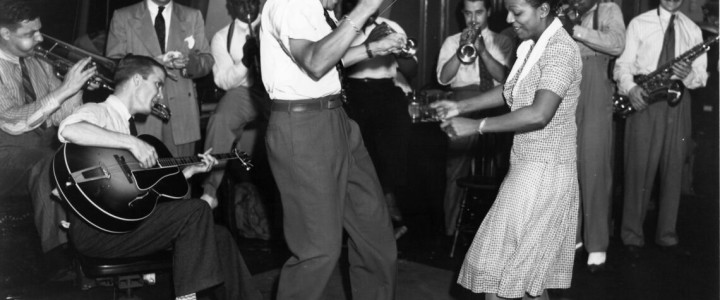
Dance and jazz
On this International Dance Day, we take a look at the close links between jazz and dance.
Dances associated with jazz music, which emerged in the early 20th century within the African-American community, are characterised by improvisation, energy and syncopated rhythm.
The main styles include Swing, Lindy Hop, Charleston, Jazz Roots (solo), Balboa, Blues and Tap.
Here are the main dances associated with jazz:
Lindy Hop: Originating in Harlem in the late 1920s, this is the quintessential swing dance, combining partner and solo elements, highly dynamic and often acrobatic.
Charleston: An iconic dance of the 1920s, characterised by inward/outward leg movements and energetic armwork, danced either solo or in pairs.
Jazz Roots (Authentic Jazz): Solo dances derived from African dances and the Charleston, including routines such as the Shim Sham or the Big Apple.
Balboa: A couple’s dance that originated on the West Coast in the 1920s, ideal for fast tempos, often danced in a closed position.
Blues: A slower, more sensual dance, closely linked to blues music, focusing on connection and rhythm.
Collegiate Shag: A very fast and energetic swing dance popular in the 1930s.
Tap Dance: A percussive dance in which the dancer creates their own rhythm in direct response to the music.
Nowadays, some of these dances have regained popularity and classes are held all over Belgium.
Here are a few lessons on Brussels: